
Breaking the Cycle: Rethinking Support for Older People Beyond Hospitals
There’s a well-known paradox at the heart of health and care for older people. Hospital treatment is often costly and, for many older patients, can lead to worse outcomes over time – loss of independence, physical decline, and emotional stress.
Yet despite this knowledge, a significant proportion of public health funding continues to funnel into acute care rather than into the community-based support that could help people stay well and independent in the first place.
Imbalance
The challenge is clear. Shifting care from hospitals to the community sounds straightforward on paper, but it’s far harder to achieve in practice. One major reason is the imbalance in prioritisation: adult social care often sits in the shadow of the NHS, despite being a vital part of the system. Without putting social care on equal footing – particularly at the neighbourhood level – efforts to reduce reliance on hospital-based care are unlikely to stick.
Deep Experience
What’s often overlooked is that local authorities and social care teams already have deep experience in supporting people where they live. Their involvement in shaping how health and care resources are spent is not just a nice-to-have – it’s essential. Councils are better placed than hospitals to understand local needs, build relationships with residents, and coordinate care that is practical, preventative, and person-centred.
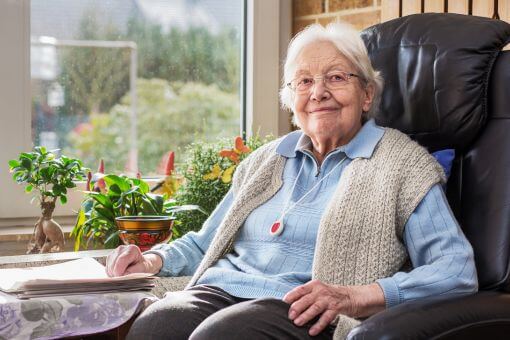
Take Somerset’s Independent Living Centres, for example. These centres offer free advice and hands-on support to people who need help living independently. A Social Care Occupational Therapy-led team works with individuals to identify what kind of equipment or support might make daily life easier. That could be as simple as a bath board or walking frame, or as high-tech as telecare devices that monitor health conditions or alert carers in an emergency.
Crisis Prevention
These kinds of interventions don’t just improve quality of life – they prevent crises. A well-timed handrail or stairlift can mean the difference between someone staying in their own home or ending up in hospital after a fall. This approach is more sustainable for the system and more dignified for the individual.
Somerset is not alone. Across the country, similar initiatives are taking root. In Leeds, the city’s Neighbourhood Teams bring together nurses, therapists, and social workers to support older people at home, reducing unnecessary hospital admissions. In Wigan, the Deal for Adult Social Care and Health emphasises working with residents rather than doing things to or for them – resulting in more independence and better outcomes. In Scotland, technology-enabled care services are being expanded to help people manage long-term conditions without leaving their homes.
These programmes all share one thing in common: they invest in community-based care and recognise that independence, not dependence, should be the goal.
Moving forward, it’s vital that adult social care leaders are not just consulted but actively involved in the decisions that shape neighbourhood health and care. We can’t afford to treat social care as an afterthought when it is so often the first line of defence.
Catch 22
The ‘catch 22’ is real – but it’s not unsolvable. By supporting local initiatives and giving social care a stronger voice, we can create a system that works better for older people, keeps them safe and well in their own homes, and makes smarter use of public resources. It’s not just about reducing pressure on hospitals – it’s about giving people the chance to live the lives they choose, with the right support in the right place at the right time.